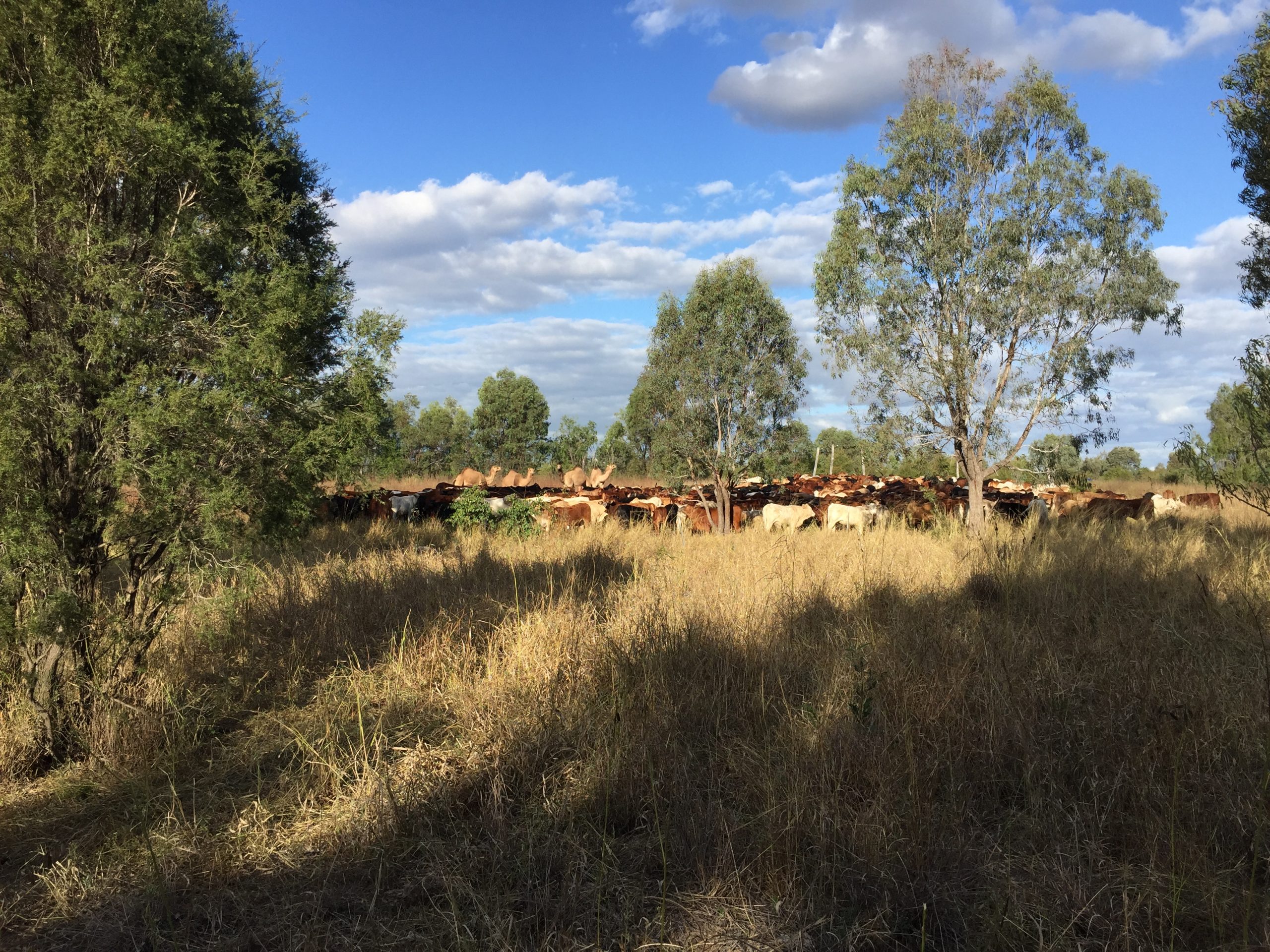
Grazing systems – Recent Findings in Australia
Discover the benefits of using time controlled grazing and how to manage livestock effectively.

Discover the benefits of using time controlled grazing and how to manage livestock effectively.
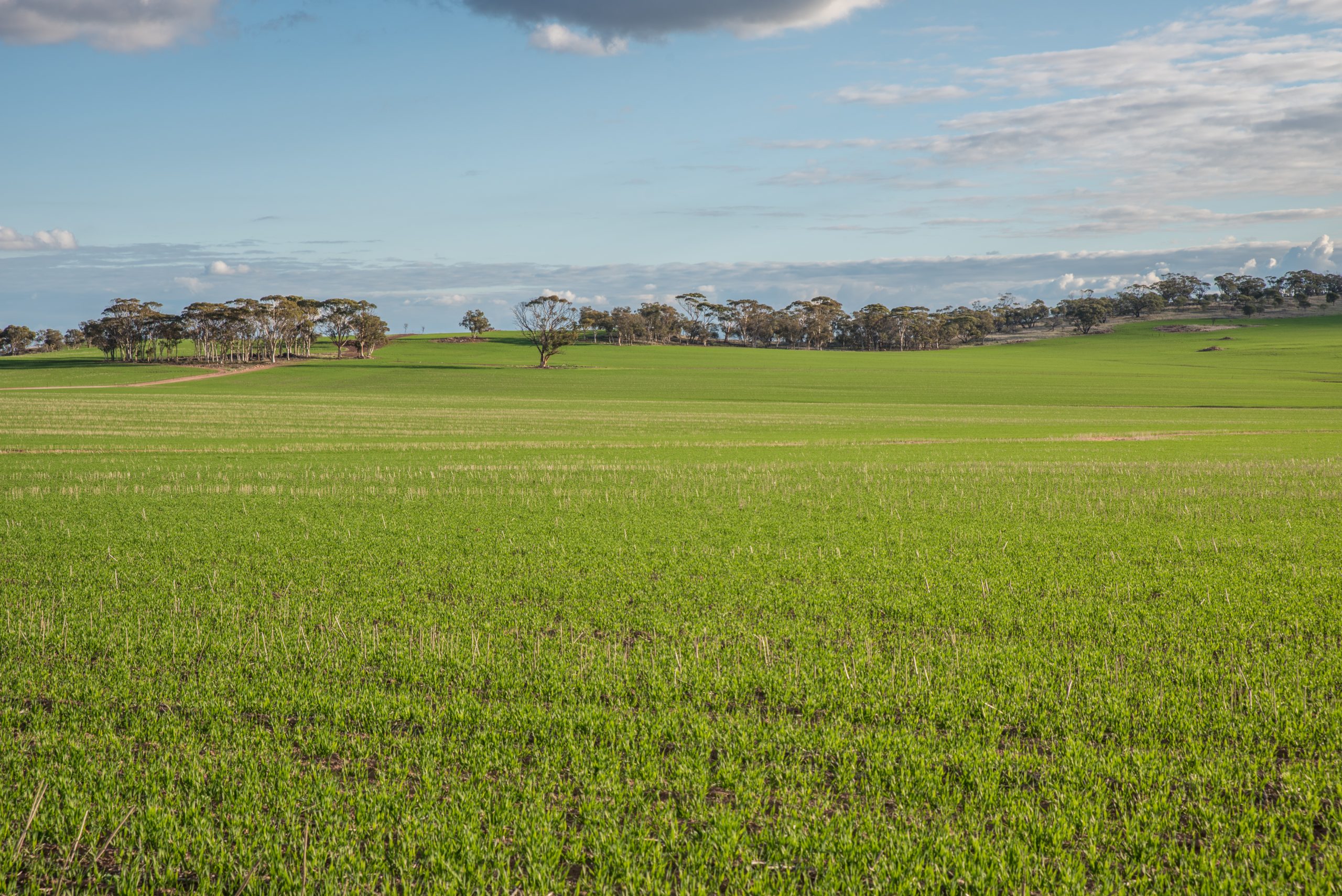
To make the most of our agricultural farms, we must appreciate the power of photosynthesis. Learn about nature’s relentless dedication to growing.
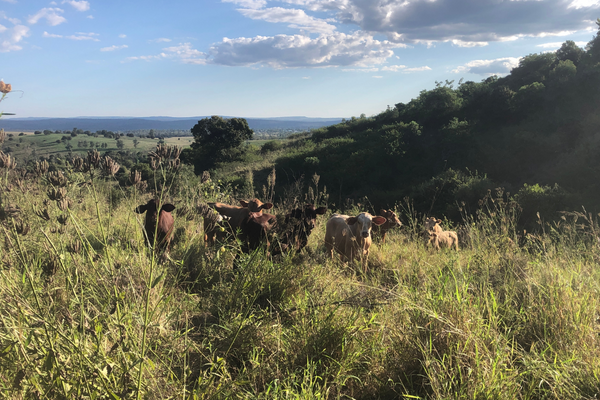
Discover how to use the RCS Grazing Chart tool to improve your grazing management and become a professional, proactive decision-maker.
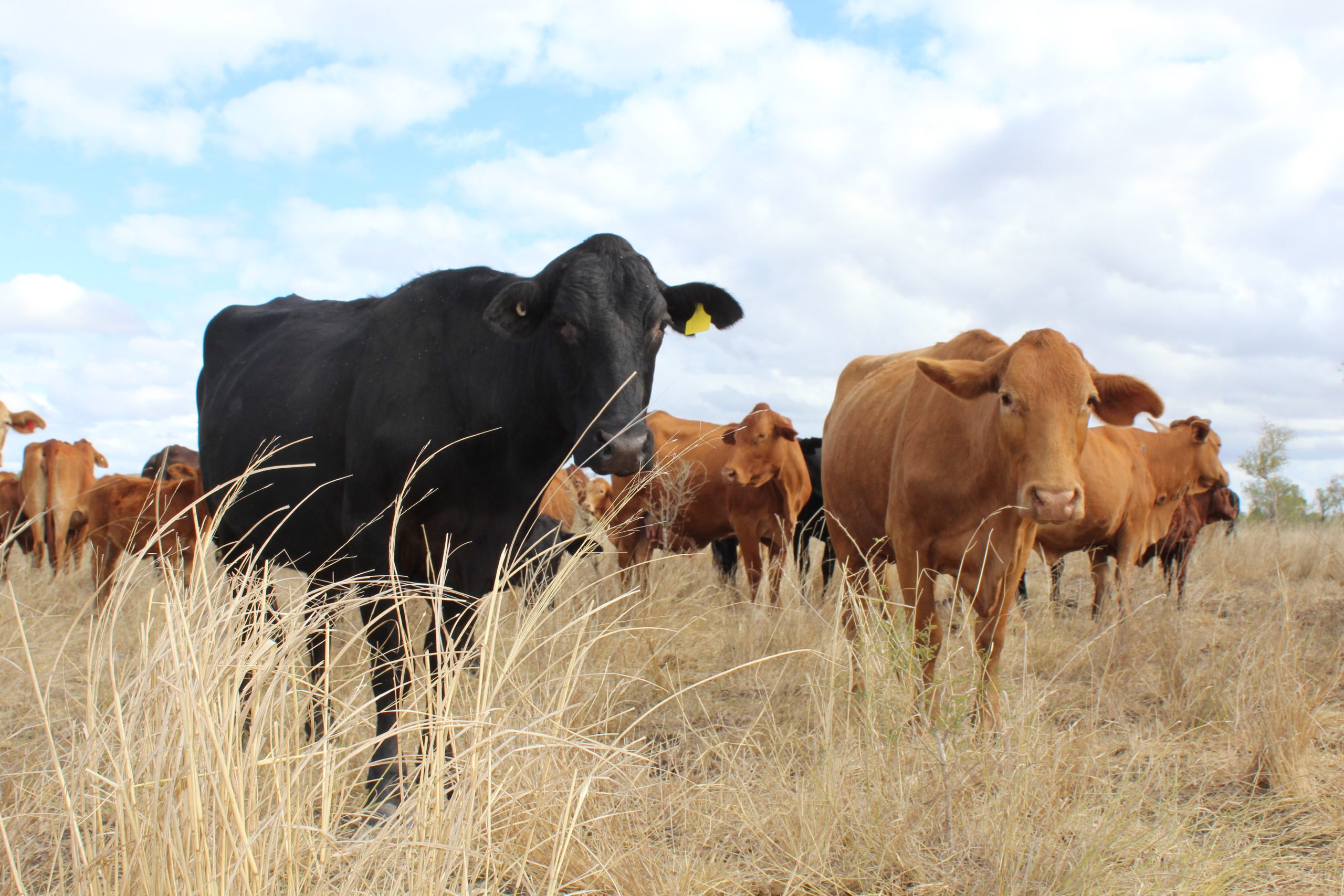
It’s crucial that cattle farmers understand cattle bloat. Learn the causes, symptoms and treatment techniques to keep it at bay.
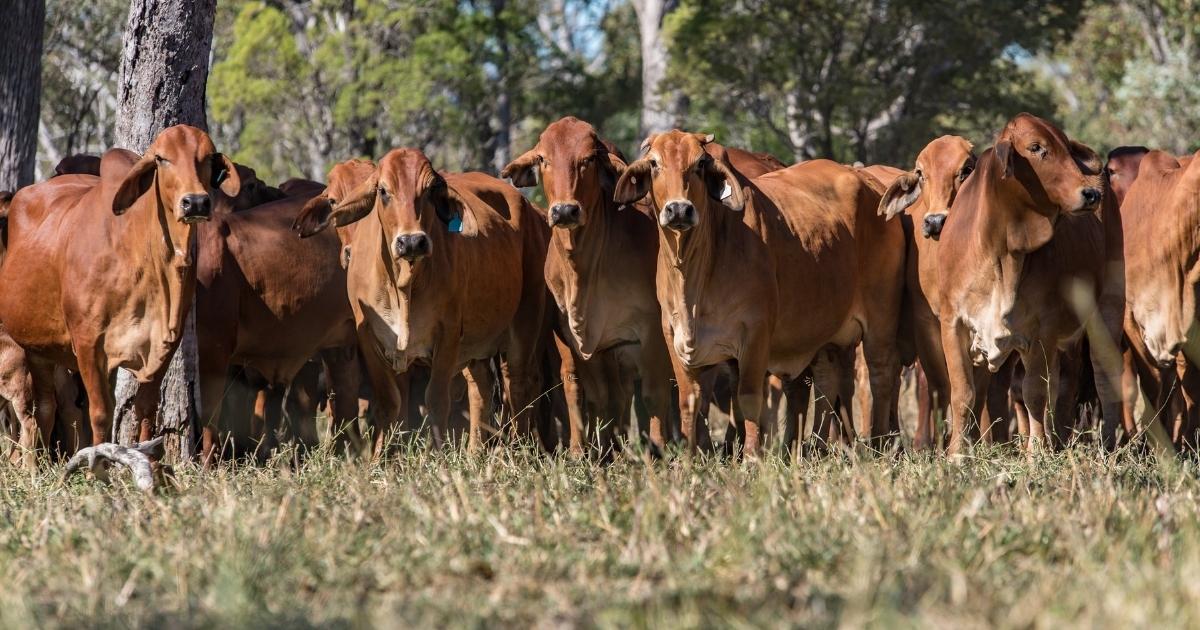
How confident are you to navigate your way through the year ahead?
At RCS we are the trusted advisor in your corner to help you through the year ahead and in a way that provides you and your family control and freedom for years to come.
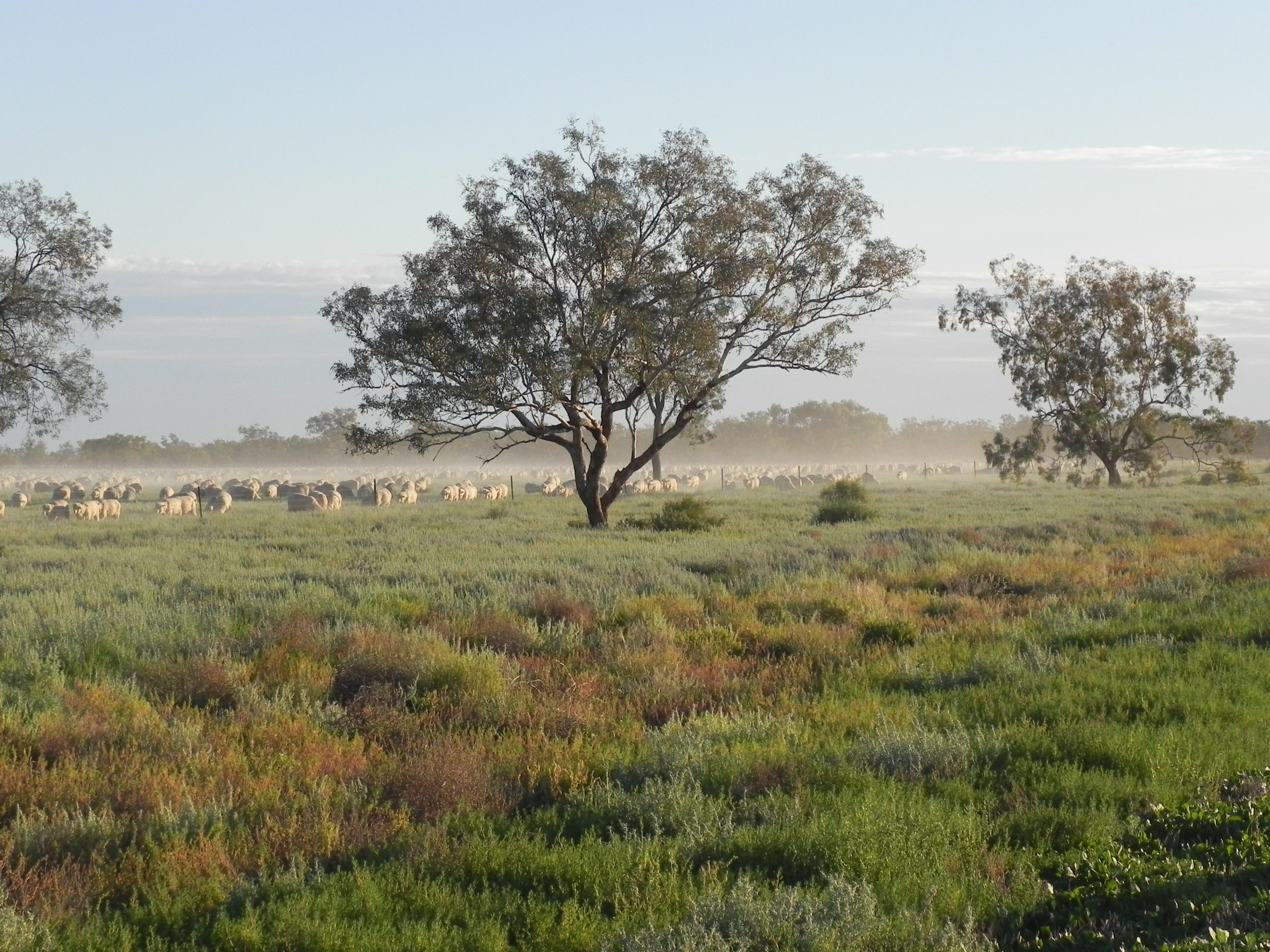
There is a myth that if you move towards management practices that regenerate the land, you will affect your business profitability.
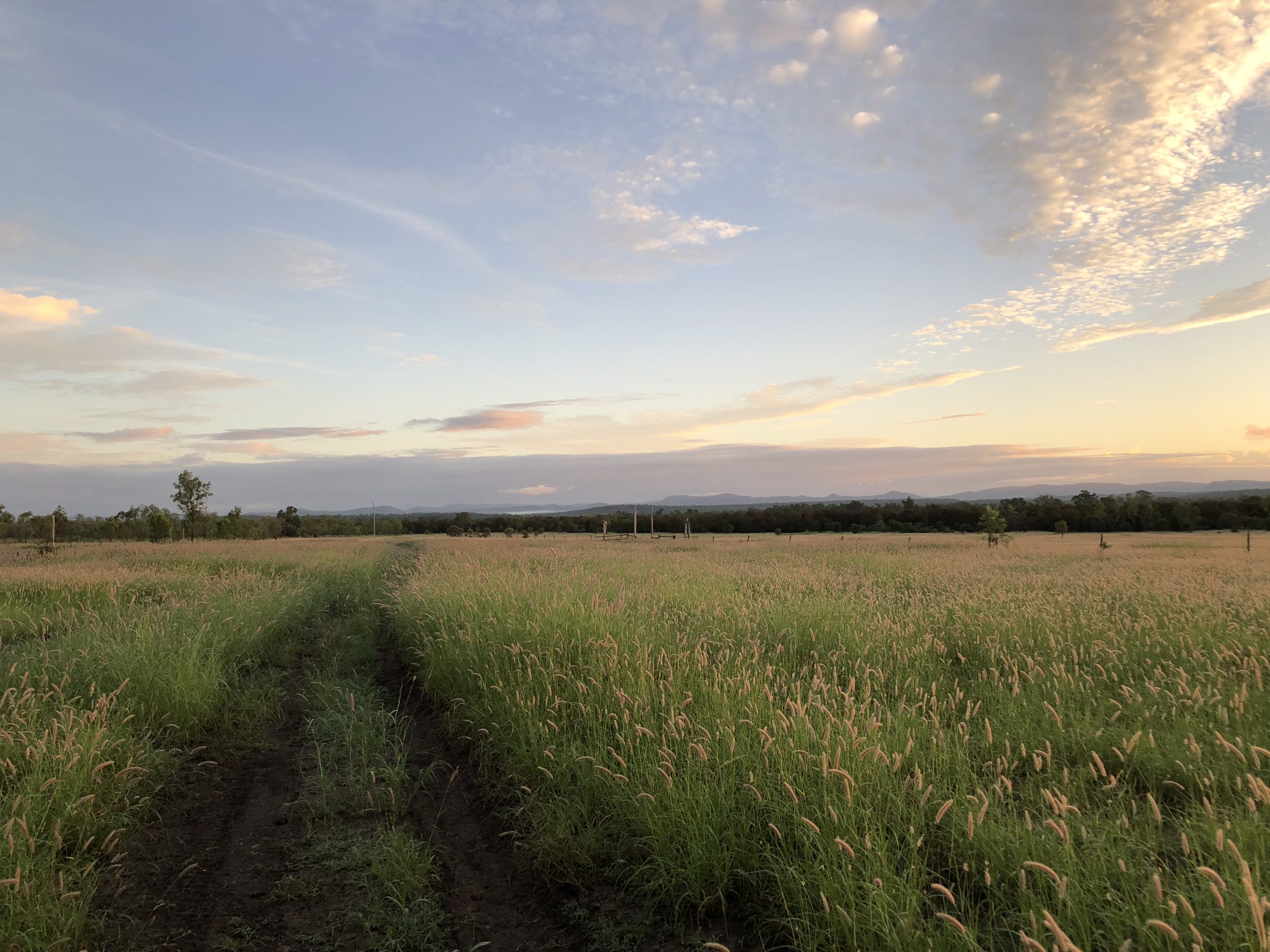
So many farmers and producers take great personal pride in the natural assets on their farms. They observe how, under their management, these natural values are improving, maturing and becoming more valuable – greater diversity of plants and animals, clearer water in creeks and dams, healthier soils with increasing levels of organic matter, carbon and soil animal life.
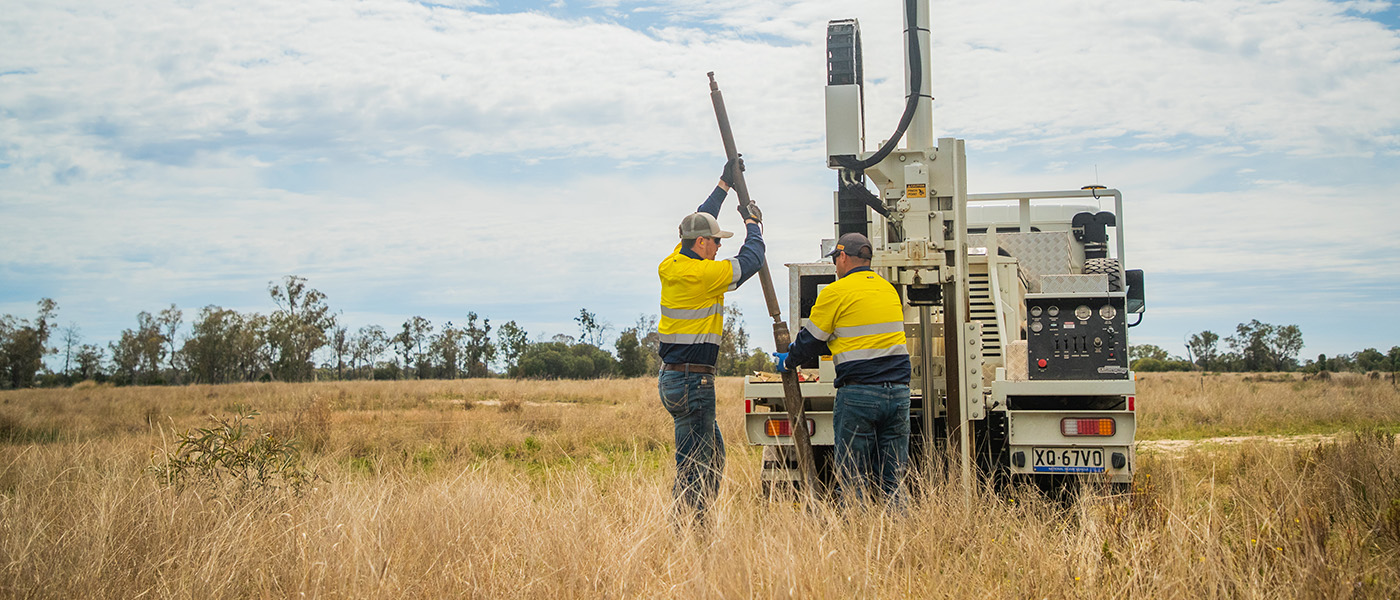
Discover what you should ask your soil carbon farming aggregator before signing up for a Soil Carbon project.
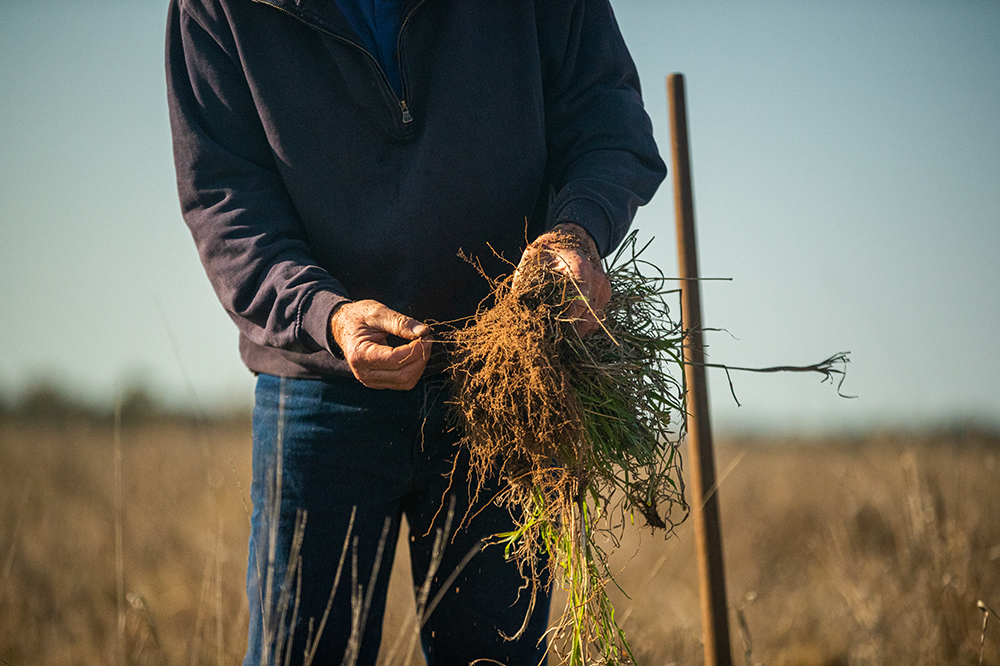
The first lot of evidence is in!! Cattle in a cell grazing system, following the RCS grazing principles, are sequestering between 100 and 300 kg of CO2e for every kg of live weight produced.


What if a couple of hours spent preparing livestock for transport could save you thousands? Nic Kentish explores the hidden cost of shrink, why stress during transport can take such a toll on livestock and how good stockhandling can make a remarkable difference. Drawing on lessons from Bud Williams and Jim Lindsay, Nic puts some real dollars against the value of preparing animals for the journey. The numbers might surprise you!

Ben Simpson is a grazier and RCS coach based in Central Western Queensland. Together with his wife, Kim, Ben operates Thistlebank, a

Richard and his wife, Bernadette, run Stoneridge, a fourth-generation family grazing business near Young in South West NSW, where they raise sheep

David explains what unpaid labour really means and why it matters when calculating the true profitability of a business. He also explores the implications for cashflow, business continuity and succession when a business cannot afford the true cost of labour.
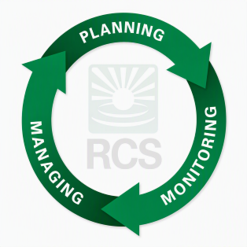
No plan survives first contact with reality—but successful businesses do. In this article, RCS Advisor David McLean explores why planning is only the first step, and how monitoring conditions and adapting decisions are essential for profitability. Discover practical insights to help you respond confidently to seasonal, market and operational challenges while keeping your business on track.