Ben Simpson is a grazier and RCS coach based in Central Western Queensland. Together with his wife, Kim, Ben operates Thistlebank, a
In the day-to-day challenges of farm management, it’s easy to forget that nature actually wants to grow and evolve. It isn’t, in fact, conspiring against us, although it often feels that way. In this article, RCS Chief of Delivery David McLean pays respect to photosynthesis, reminding us of the resilience of plants.
It is estimated that vascular plants (grasses, trees, ferns) evolved and started to occupy Earth 423 million years ago. These were the first plants that could grow tall, unlike the bacteria, algae, moss and cyanobacteria that first evolved. This ability to grow tall was the start of Earth’s capacity to photosynthesise at levels not seen before, creating growth and the food sources eventually consumed by dinosaurs. Photosynthesis—capturing sunlight for energy—is the driver of our lives.
For 423 million years, our plants have used this energy and growth to slowly evolve and work out how best to survive the environmental extremes. They have worked out how to work with soil biology and other plants.
“Fighting against a system that has been refining its battle plan for 423 million years may not create the outcome you desire.”
In courses I’m running, I joke that “Mother Earth doesn’t do nudist beaches”. By this I mean that whenever soil is exposed, Mother Earth will grow something to cover herself up. Think of the soil surface similar to your living skin; when we cut or graze our skin, we form a scab to cover up and heal ourselves. For Mother Earth, pioneer species are the scabs sent to heal the wound.
The fortunate thing for us as land managers is that nature wants to grow. Nature wants to have diversity and cover. Nature wants to restore ecosystem function.
Our challenge is to work out how we work with our ecosystem to have both ecosystem function and profitability. How can we profitably create a habitat for desirable plants and biology to exist? All living beings have the same basic needs: food, shelter, air and water. So, if we want to improve ecosystem function, how do we provide the conditions where the basic needs of our plants and biology are available? Build it, and they will come. When the conditions are right, we see the dung beetles, the wildflowers in the desert, and the better grasses come back. Similarly, when the conditions are right, we see the weeds and pioneer species dominate.
Let us be thankful that nature wants to grow and have diversity. Forever modest and giving, Mother Earth keeps forgiving our mistakes and misjudgements and continuously works to repair ecosystem function for us.
Are you working with or fighting against her in your operation? Fighting against a system that has been refining its battle plan for 423 million years may not create the outcome you desire.
Author:

Chief of Delivery
Related:
Have a listen to ‘The Financial Bloke’s podcast with David, ‘Learn the traits the most successful producers all share’
Our educational newsletter full of timely content, sent direct to your inbox.
Click the Bell for the latest blogs.
Ben Simpson is a grazier and RCS coach based in Central Western Queensland. Together with his wife, Kim, Ben operates Thistlebank, a
Richard and his wife, Bernadette, run Stoneridge, a fourth-generation family grazing business near Young in South West NSW, where they raise sheep
David explains what unpaid labour really means and why it matters when calculating the true profitability of a business. He also explores the implications for cashflow, business continuity and succession when a business cannot afford the true cost of labour.
No plan survives first contact with reality—but successful businesses do. In this article, RCS Advisor David McLean explores why planning is only the first step, and how monitoring conditions and adapting decisions are essential for profitability. Discover practical insights to help you respond confidently to seasonal, market and operational challenges while keeping your business on track.
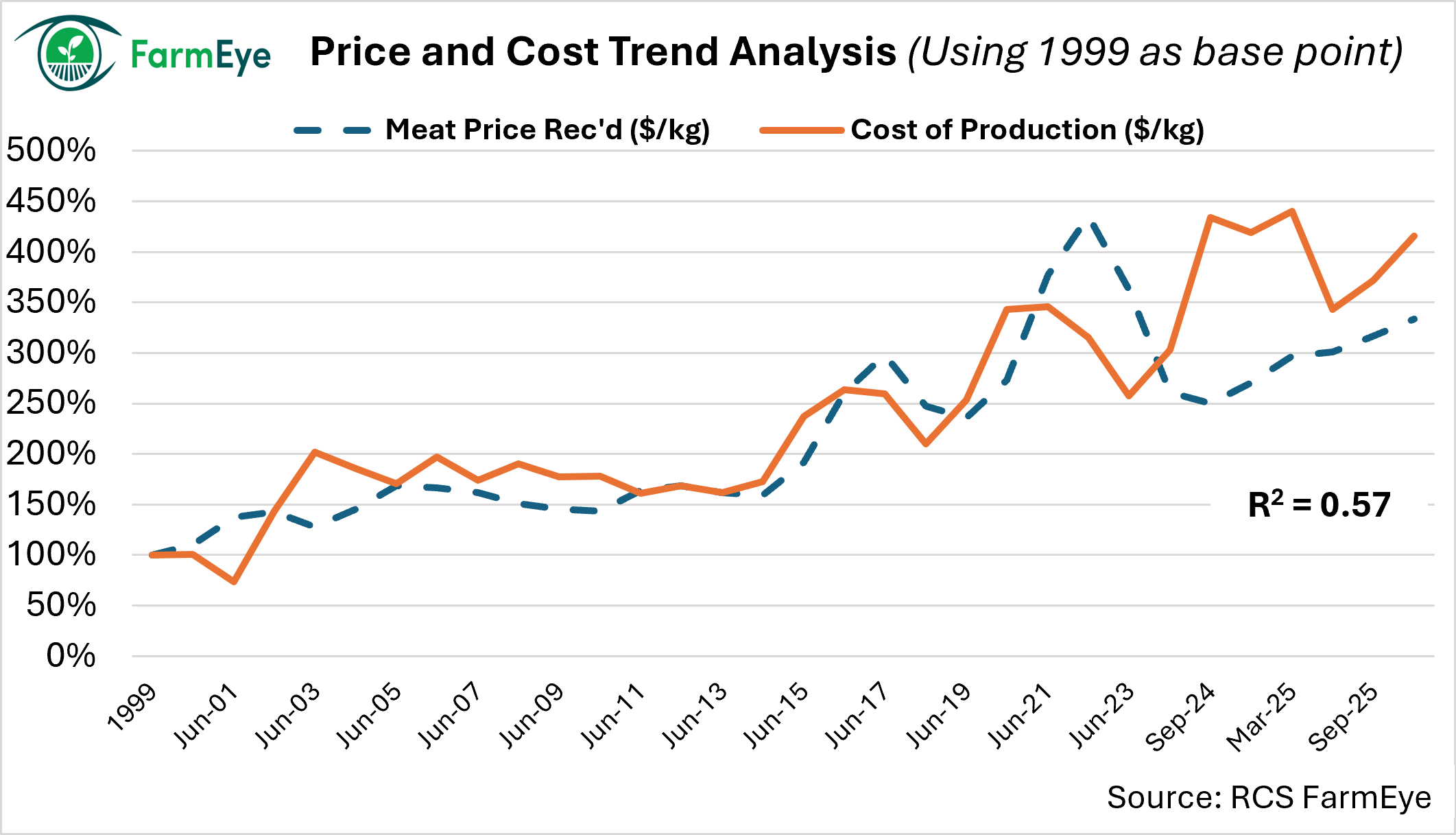
Profit doesn’t happen by accident—it comes from making deliberate decisions and regularly checking whether those decisions are delivering the results you want. In this article, RCS explores why quarterly profit planning meetings should be a priority for every farming and grazing business, and how using Cost of Production, benchmarking and focused business discussions can turn financial information into practical decisions that strengthen profitability and resilience.

Join our mailing list