Project Pathfinder
Project Pathfinder is working with 10 leading sugarcane growers in the Great Barrier Reef Catchment to adopt regenerative farming practices that enhance soil health, improve profitability and reduce nitrogen runoff to the Reef.


Project Pathfinder is working with 10 leading sugarcane growers in the Great Barrier Reef Catchment to adopt regenerative farming practices that enhance soil health, improve profitability and reduce nitrogen runoff to the Reef.
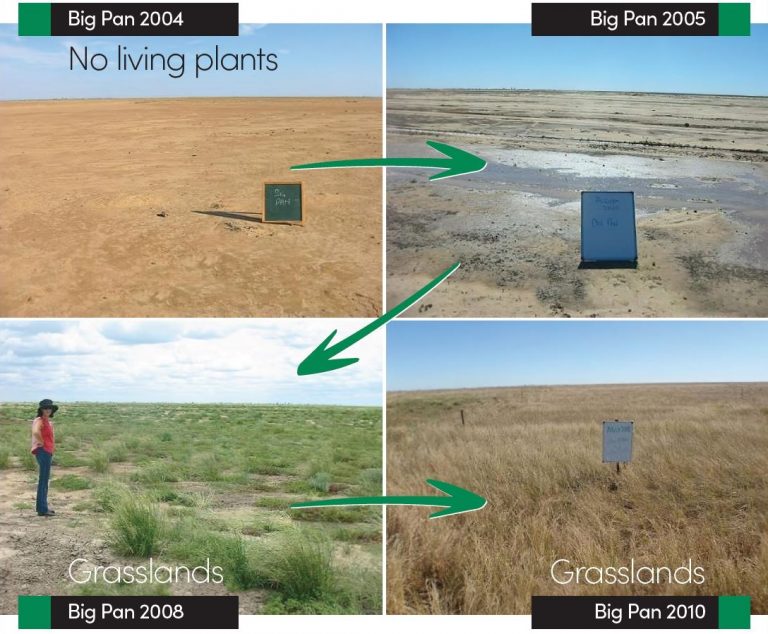
A drought resilience extension program for the Rangelands, this project will change graziers landscapes, businesses and life for the better, with access to education, support and business tools to manage for future droughts.

Through funding made available by the Queensland Government Reef Water Quality Program, RCS is assisting 25 grazing businesses within the Fitzroy and Mackay-Whitsunday regions to reduce sediment runoff into the Great Barrier Reef catchments.
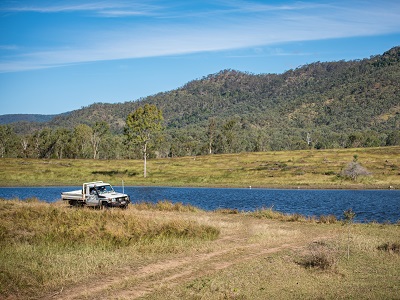
In 2016, the Australian Government’s Reef Trust tasked RCS with educating and supporting graziers in the Great Barrier Reef catchment to adopt regenerative management practices. The outcomes of Project Pioneer focussed on improving land conditions and reducing sediment runoff into waterways.


What if a couple of hours spent preparing livestock for transport could save you thousands? Nic Kentish explores the hidden cost of shrink, why stress during transport can take such a toll on livestock and how good stockhandling can make a remarkable difference. Drawing on lessons from Bud Williams and Jim Lindsay, Nic puts some real dollars against the value of preparing animals for the journey. The numbers might surprise you!

Ben Simpson is a grazier and RCS coach based in Central Western Queensland. Together with his wife, Kim, Ben operates Thistlebank, a

Richard and his wife, Bernadette, run Stoneridge, a fourth-generation family grazing business near Young in South West NSW, where they raise sheep

David explains what unpaid labour really means and why it matters when calculating the true profitability of a business. He also explores the implications for cashflow, business continuity and succession when a business cannot afford the true cost of labour.
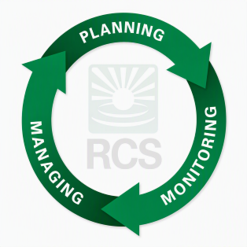
No plan survives first contact with reality—but successful businesses do. In this article, RCS Advisor David McLean explores why planning is only the first step, and how monitoring conditions and adapting decisions are essential for profitability. Discover practical insights to help you respond confidently to seasonal, market and operational challenges while keeping your business on track.