Project Pathfinder
Project Pathfinder is working with 10 leading sugarcane growers in the Great Barrier Reef Catchment to adopt regenerative farming practices that enhance soil health, improve profitability and reduce nitrogen runoff to the Reef.
Changing landscape, business and life for the better, with access to education, support and business tools to manage for future droughts.
This project engaged 24 grazing businesses across southern Queensland and northern New South Wales Rangelands to develop drought-resilient practices with a focus on matching stocking rate to carrying capacity.
Graziers located within the Bourke, Cobar, Moree Plains, Walgett, Balonne, Goondiwindi and Maranoa Local Government Areas, receive more than $15,000 of education, support and tools towards improving their drought resilience for a one-time investment of $1,500.
This project is supported by RCS, through funding from the Australian Government’s Future Drought Fund.
As a project participant, the successful graziers will;
See how the project participants are progressing:
Our soil is the foundation of healthy landscapes, but drought can wreak havoc. This recently recorded video dives into 3 key tools that can help you monitor your soil and landscape health, ultimately building your drought resilience.
In this video, RCS Coach and Advisor Dom Walker takes us through the tools:
By understanding these key metrics, you can make informed decisions to:
Ready to build your soil’s resilience to drought? Watch now and learn how these powerful tools can empower you!
Recorded live from BEEF 2024, join Jess Bidgood, RCS Project Coach, for an informative session about the RCS project and its successful outcomes.
This project is funded by the Australian Government’s Future Drought Fund.
This case study dives into the story of Fred and Cath Clark introduced in the above video (also pictured right), who transformed their drought-stricken cattle property ‘Euthulla’ through strategic investments in water infrastructure and fencing (‘wire’). See how a calculated approach to water and grazing management yielded impressive returns on investment (ROI) exceeding 30% within a single season!
Looking for ways to manage your livestock even during tough conditions? This informative webinar recording is packed with practical strategies to optimise your land and animal nutrition for drought resilience.
In this recording, you’ll learn from Dr. Terry McCosker about:
Plus, a Q&A session: Answered by Dr. McCosker.
This webinar is perfect for graziers and land managers who want to:
This coaching webinar video is brought to you by the RCS Soils and Landscapes project.
To find out more about this project see the case studies here.
This project is supported by RCS, through funding from the Australian Government’s Future Drought Fund.

Project Pathfinder is working with 10 leading sugarcane growers in the Great Barrier Reef Catchment to adopt regenerative farming practices that enhance soil health, improve profitability and reduce nitrogen runoff to the Reef.

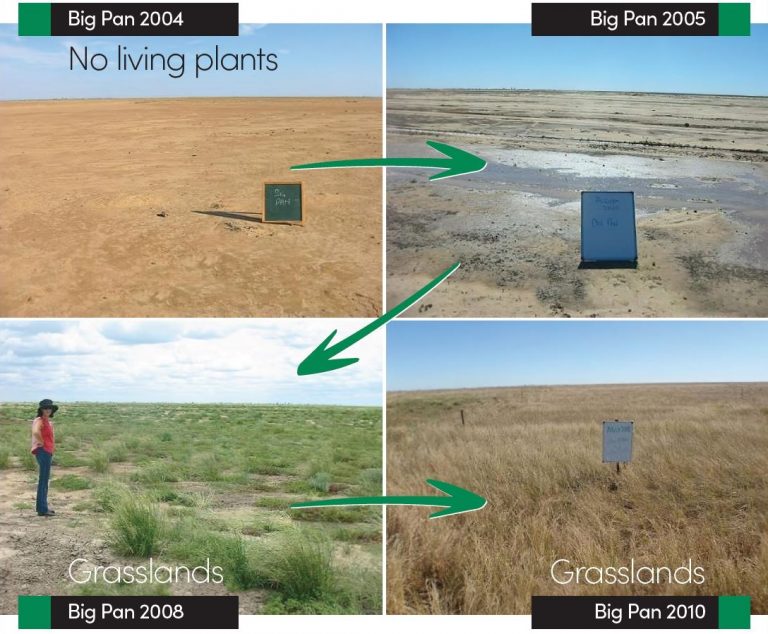
Through funding made available by the Queensland Government Reef Water Quality Program, RCS is assisting 25 grazing businesses within the Fitzroy and Mackay-Whitsunday regions to reduce sediment runoff into the Great Barrier Reef catchments.

In 2016, the Australian Government’s Reef Trust tasked RCS with educating and supporting graziers in the Great Barrier Reef catchment to adopt regenerative management practices. The outcomes of Project Pioneer focussed on improving land conditions and reducing sediment runoff into waterways.

Our educational newsletter full of timely content, sent direct to your inbox.
Click the Bell for the latest blogs.
In this article, David McLean shares the thinking, experiences, and practical insights that led to a significant change in perspective on virtual fencing technology. From grazing management and labour efficiency to carrying capacity and business flexibility, it explores where the opportunities may lie, where caution is still needed, and why the potential impact could be far greater than simply replacing physical fences.
Uncertainty has become a defining feature of the current operating environment. Global politics, domestic and international climate conditions, and volatile commodity markets are all creating genuine pressure and raising reasonable questions about strategy in agribusiness. When we strip it back, there are really only two choices in how we respond.
One of Covey’s first principles in management is to do the right things well. That is, to be effective, not just efficient. One of the great conundrums of modern life is that it is possible to be 100% efficient and 0% effective. In no industry is this truer than in agriculture. In this article, Dom Walker broadens the recent conversation around ‘regenerative agriculture’ being painted as a ‘do nothing’ approach to farming.
With hit-and-miss summer rain hinting at a tough season ahead, this article highlights practical paddock lessons on matching stock class to pasture type and planning grazing around key dates to protect livestock performance and country.
Join our mailing list