No plan survives

Principles in Practice

No plan survives

"No plan survives first contact with reality. That's why the successful managers don't just plan, they monitor and adjust."

July and August are crunch time for many operations. In recent RCS Advisory sessions, the same practical questions keep coming up:

  • Do we have enough feed to get through to our Green Date? This could be Sep/Oct for southern clients or Jan/Feb for northern.
  • How is the moisture profile looking for winter crops? Will they get to grain stage or is grazing them off the most profitable option? Will the oats get up enough for a first graze?
  • How much do we increase stock numbers before growing season? Will prices jump then so should we start to increase numbers now?
  • How is our revised cashflow looking for the year ahead?
  • Other practical, meaty discussions about how to make the best decisions with the season and market in front of us.

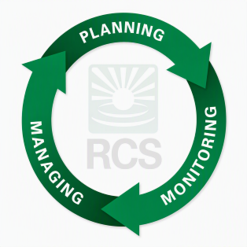
The key theme here is the RCS Principle of Planning, Monitoring and Managing.

Planning

As the famous quote goes, “failing to plan is planning to fail”.

Some planning is individual, generally the short term planning e.g. “how will I approach my personal responsibilities this week?

However, the best planning is a team sport. This is where you get the team discussing what is coming up, what are the priorities and working together to develop a plan that will most likely set you up for a win. Working together will generate more ideas, energy and help you identify blind spots or gaps in a plan.

This process is also vital for team function and culture. Not investing time in this process will lead to people not being on the same page, people not feeling included or part of the team, and the main risk is the right jobs not being done the right way at the right time. This directly reduces profitability.

Monitoring

Mike Tyson’s quote is possibly too graphic? “Everyone has a plan until they get punched in the mouth

The important message with phase two of this principle is that no plan survives first contact with reality. The plan is purely a guide of how you think you’ll approach the future. We must monitor to see what our current reality is. When you first develop a plan we cannot predict the future market conditions, weather patterns, injuries, production levels or unknowns.

This is where we need to reassess our position. Many of my clients are redoing their feed budgets now. They are assessing moisture profiles and revising if they’ll get a crop to grain fill or have enough moisture for a spring break.

The best monitoring involves talking with the whole team again. Everyone will have seen different part of the property and have different perspectives. Tap into all your senses with monitoring: sight, sound, hearing, touch, feel, gut instinct.

The only way to ensure that a plan never fails is to monitor current reality. A plan that isn’t monitored becomes a recipe. Recipes and agribusiness management do not mix. This is why we place such an emphasis on principles.

Managing

Phase three of this principle is where you make the necessary adjustments to your future plans. This involves taking action to set yourself up for a win with the new circumstances you are operating in. Managing means taking action and developing a new plan. This looks like one of three main outcomes.

  1. The reality is pretty close to what you planned and so things don’t need to change much. Carry on.
  2. There are some moderate changes to the plan. The timing of activities may need to be brought forward or pushed back e.g. sales/purchases or planting. Also the volume might change e.g. higher lick intake will change how much to order and cashflow. Make the adjustments and carry on.
  3. The reality is drastically different to the initial plan. In this situation you usually need to throw out the old plan and start afresh to set yourselves up for a win. If you’re on a road trip and you come across a washed-out bridge, you don’t launch the vehicle into the river just because that was the plan. Pull out the map and come up with a new plan to get you to the destination.

My observation is the best leaders and managers who are achieving the best profitability with the happiest team are very good at planning and communicating.

So, what changes might you need to make to your plan during this important period of the year?

Our team of RCS Advisors are here to help you revisit your plans and set yourself up for a win. Give us a call or email advisory@rcsaustralia.com.au to find out more.

RCS Logo

Join our mailing list