Ben Simpson is a grazier and RCS coach based in Central Western Queensland. Together with his wife, Kim, Ben operates Thistlebank, a

Do you have critical dates marked in your calendar to support decision-making?
In August 2025, I was in paddocks in the Tambo area and was asked, “Cattle aren’t eating this grass species, what’s the problem?” It was Desert Bluegrass (Bothriochloa erwartiana), a component of a Mitchell grass (Astrebla spp) pasture. And it was true, they weren’t eating it. Stock performance was subpar, even though all the Mitchell and most other species in the inter-tussock space had been well grazed. The issue? It was weaners grazing this paddock. Their mouths were too immature to handle the mature Bluegrass, so they had selectively eaten what they could. It was a similar story in each paddock the younger stock had been grazing through.
Driving on, we came to paddocks with a similar pasture mix where all species, including Desert Blue, were well-grazed. This was where the breeding herd of mature cows had been grazing since the end of the growing season. After this observation, the graze plan was rejigged to have the breeders coming through after the weaners to handle the lower quality mature feed in that season and, over the long term, circle the mobs of mature stock back through paddocks that were already selectively grazed by young growing stock. Older stock will handle much of the feed that the younger ones cannot, while setting up and conditioning pasture for subsequent seasons.
When we approach the end of the growing season, that is the time to be planning the “what stock, where and when”. Are we going to graze country in one graze or over a couple of grazes? On most properties, paddocks are big compared to stock densities, so grazing will be selective. We can plan for the first graze in paddocks to be the stock we want the most growth and gain from. Then have the maintenance stock, particularly breeders, grazing later. If country has been grazed by grower stock over subsequent years and there are signs of severe patch grazing, we can plan to have these areas grazed more heavily by maintenance stock for the year.
Avoid getting into patterns of grazing, like “these paddocks are for this class of stock”. Planning early, observing closely, and mixing up grazing patterns can spare the disappointment of stock performance later.
The very patchy summer rainfall was a topic of conversation at the recent RCS Keep In Touch Field Days near Millmerran and Glen Innes. This led to a discussion of how people are managing grazing and the dates used as a key guide to their grazing, stock planning and actions on-property. These dates vary by district and property, based on local seasonal patterns, soil types, aspect, and other factors, but the principles remain the same.
Green Date = the date when there is a high probability that there has been sufficient rain to have the growing season started.
Many of us plot this date based on where there will be 70% probability of sufficient rain and temperature to start growth. The rainfall required varies with soil and pasture types etc. Discussion at Millmerran showed general agreement that the green date for that area is about Christmas time.
Critical dates = those subsequent dates where actions are needed when the growth fails or is reduced.
For many attending, a month after the Green Date is used as the First Critical Date. At this time, feed in the paddocks is assessed, seasonal outlook is considered, and stock numbers may start to be reduced to be in line with the feed required to carry them through to the next growth period.
Then, up until the Second Critical Date, there is a possibility of growing good feed, but after that date, growth will be very limited. This is the date when action is critical to match stock numbers to feed. At both the Millmerran and Glen Innes days, this date was sometime in the second half of March.
This tracks directly to Grazing Principle 1. Plan, Monitor, Manage. There are some additional vital dates to mark in your calendar, which we cover in the RCS courses.
You know your country, climate, business, how long until more feed will be grown, and risk profile. What are the dates in your grazing business, and are you prepared to take the actions you talk of?
Want to learn more about pasture and livestock management? You’re welcome to join us at our upcoming Free Keep In Touch days, Grazing Clinics or Grazing for Profit courses. Call 1800 356 004 to learn more.

Ben Simpson is a grazier and RCS coach based in Central Western Queensland. Together with his wife, Kim, Ben operates Thistlebank, a

Richard and his wife, Bernadette, run Stoneridge, a fourth-generation family grazing business near Young in South West NSW, where they raise sheep

David explains what unpaid labour really means and why it matters when calculating the true profitability of a business. He also explores the implications for cashflow, business continuity and succession when a business cannot afford the true cost of labour.
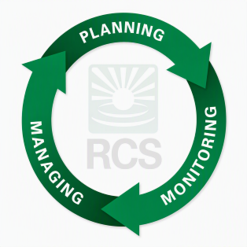
No plan survives first contact with reality—but successful businesses do. In this article, RCS Advisor David McLean explores why planning is only the first step, and how monitoring conditions and adapting decisions are essential for profitability. Discover practical insights to help you respond confidently to seasonal, market and operational challenges while keeping your business on track.
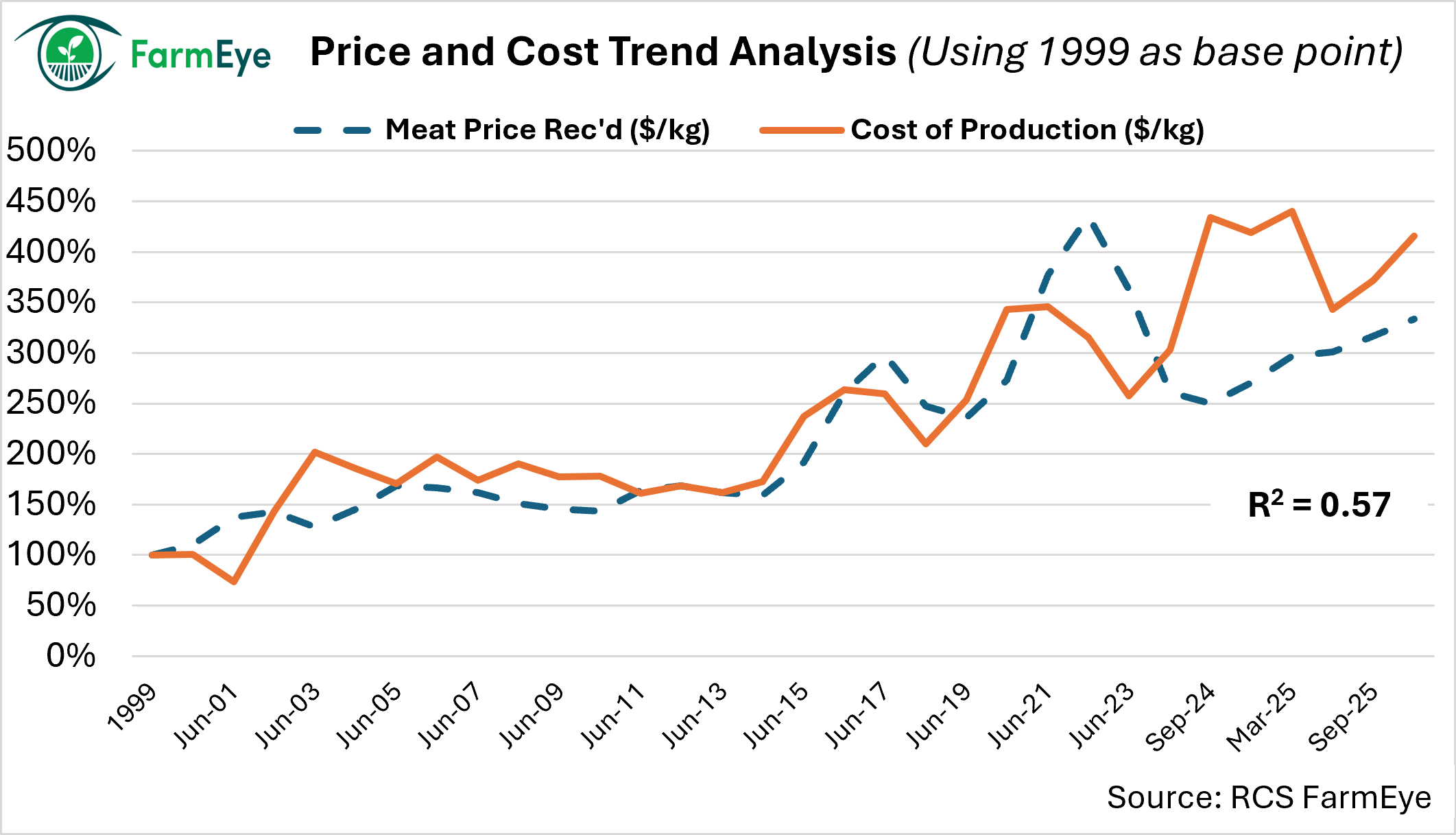
Profit doesn’t happen by accident—it comes from making deliberate decisions and regularly checking whether those decisions are delivering the results you want. In this article, RCS explores why quarterly profit planning meetings should be a priority for every farming and grazing business, and how using Cost of Production, benchmarking and focused business discussions can turn financial information into practical decisions that strengthen profitability and resilience.