Ben Simpson is a grazier and RCS coach based in Central Western Queensland. Together with his wife, Kim, Ben operates Thistlebank, a
The well-known RCS Profit Probe benchmarking system now sits within a fully redeveloped platform called FarmEye. FarmEye is a comprehensive, internet-based business analysis and benchmarking platform that offers significant advances in agribusiness management, accounting, and decision-making support. One of these key benefits is to analyse your business on a rolling 12-month basis instead of being stuck in a financial year paradigm. So, each quarter you can look back on the past 12 months and analyse your performance and trends.
Each newsletter, we’ll put one metric under the spotlight and Probe into it a little.
The metric this edition is one of the ‘Three Secrets of Profit’, the Overhead Ratio.
The overhead ratio shows us what percentage our total overheads make up of business gross product (the value of production after accounting for cash and non-cash movements).
For the January-December 2024 year, the average OH ratio was 57% whilst the Top 20% had an OH ratio of 35%. NB. The Top 20% metrics are the characteristics of those 20% of businesses with the highest profit measured via return on assets, not the best OH ratio.
What this tells us is that the average business spent $0.57 on overheads for each $1.00 in value generated (gross product). By comparison, the most profitable 20% spent only $0.35 per dollar generated.
History clearly shows in the following graph that the more profitable businesses (shown in green) consistently have a lower overhead ratio. This reinforces how this metric is a strong driver of profit in an agribusiness.
Now, a low overhead ratio does not necessarily mean the lowest total spend on overheads. What this ratio shows us is the relationship between total overheads required to run the business compared to the value the business can generate. It indicates the cost-effectiveness strategies of a business.
As with any benchmarking, it is vital to know your results and which way you are trending. Our March and July 2025 benchmarks will be published soon and available to all FarmEye subscribers.
Our educational newsletter full of timely content, sent direct to your inbox.
Click the Bell for the latest blogs.
Ben Simpson is a grazier and RCS coach based in Central Western Queensland. Together with his wife, Kim, Ben operates Thistlebank, a
Richard and his wife, Bernadette, run Stoneridge, a fourth-generation family grazing business near Young in South West NSW, where they raise sheep
David explains what unpaid labour really means and why it matters when calculating the true profitability of a business. He also explores the implications for cashflow, business continuity and succession when a business cannot afford the true cost of labour.
No plan survives first contact with reality—but successful businesses do. In this article, RCS Advisor David McLean explores why planning is only the first step, and how monitoring conditions and adapting decisions are essential for profitability. Discover practical insights to help you respond confidently to seasonal, market and operational challenges while keeping your business on track.
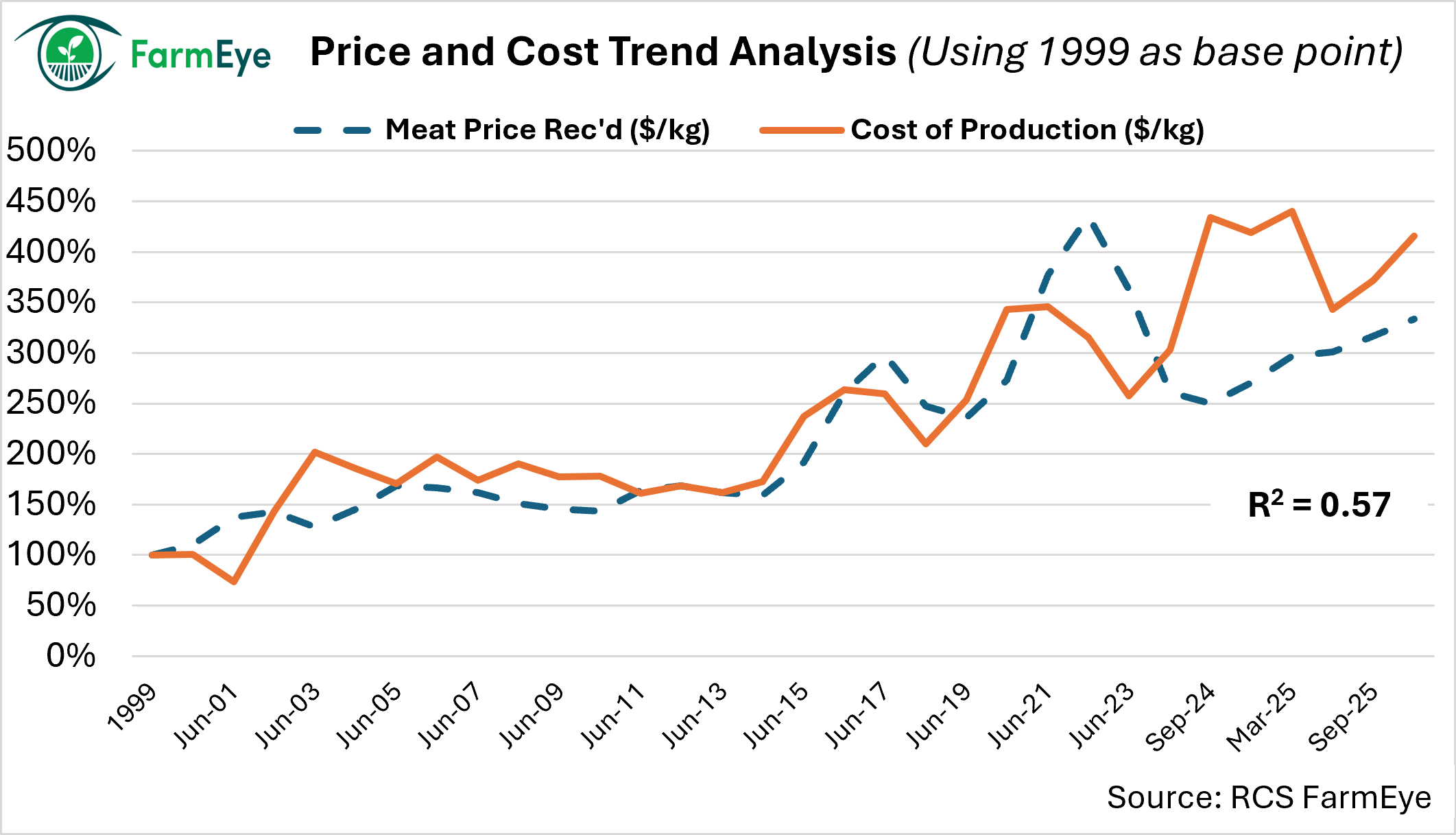
Profit doesn’t happen by accident—it comes from making deliberate decisions and regularly checking whether those decisions are delivering the results you want. In this article, RCS explores why quarterly profit planning meetings should be a priority for every farming and grazing business, and how using Cost of Production, benchmarking and focused business discussions can turn financial information into practical decisions that strengthen profitability and resilience.

Join our mailing list