Ben Simpson is a grazier and RCS coach based in Central Western Queensland. Together with his wife, Kim, Ben operates Thistlebank, a
The well-known RCS Profit Probe benchmarking system now sits within a fully redeveloped platform called FarmEye®. FarmEye® is a comprehensive, internet-based business analysis and benchmarking platform that offers significant advances in agribusiness management, accounting, and decision-making support. One of these key benefits is to analyse your business on a rolling 12-month basis instead of being stuck in a financial year paradigm. So, each quarter you can look back on the past 12 months and analyse your performance and trends.
Most farm businesses don’t run just one enterprise. We’ve got breeders, backgrounders, finishers, wool, lambs, fodder crops, cash crops… the list goes on. When analysing the business as a whole, it all blends together nicely… but that’s often where the risk sits.
A useful way to think about a multi-enterprise farm is like owning a block of apartments. Each apartment needs to pay its fair share. If one tenant isn’t paying rent, someone else is covering the shortfall — whether you realise it or not.
Breaking your business down to an enterprise level is how you work out who’s paying their way, and who is actually a squatter.
A Real Example from FarmEye®
A client using our FarmEye® analysis and benchmarking platform from south-west Queensland runs a cattle breeding operation supported by a winter fodder crop. This is a common combination across many regions — grow feed in the cooler months to support weight gain and turn-off.
When this client entered their data into FarmEye®, we took one simple but powerful step: we charged the breeding cows a market agistment rate for the fodder they grazed. Essentially asking each enterprise to stand on its own two feet.
That’s when things got interesting.
Once the crop was treated as a separate enterprise and “sold” feed to the cattle at a commercial rate, the cropping enterprise showed a gross margin of -200%. Another way to look at is, for every $1 earnt from the crop nearly $3 was spent growing the crop.
The cropping enterprise wasn’t supporting the cattle — the cattle enterprise was quietly propping up the crop.
Please note, this result is specific to this business — it is not advice against fodder cropping. It is possible for fodder crops stack up. The advice is to analyse your specific operation and see which enterprises are really contributing to profit, and which ones are stealing from your profit. When digging into the ‘enterprise analysis’ section of FarmEye® during an interpretation meeting, our advisors regularly have clients surprised to see which enterprises are the ones needing attention. Quite often, it isn’t the one they thought it was.
If you’re running multiple enterprises, ask yourself: Which ones are paying the rent — and which ones are just enjoying the view for free?
We can help you gain control on this at any of our Farming and Grazing for Profit Schools, our Business Fundamentals Workshop, or you can subscribe to FarmEye® anytime to dig into your numbers and compare your results to your peers.
Our educational newsletter full of timely content, sent direct to your inbox.
Click the Bell for the latest blogs.
Ben Simpson is a grazier and RCS coach based in Central Western Queensland. Together with his wife, Kim, Ben operates Thistlebank, a

Richard and his wife, Bernadette, run Stoneridge, a fourth-generation family grazing business near Young in South West NSW, where they raise sheep
David explains what unpaid labour really means and why it matters when calculating the true profitability of a business. He also explores the implications for cashflow, business continuity and succession when a business cannot afford the true cost of labour.
No plan survives first contact with reality—but successful businesses do. In this article, RCS Advisor David McLean explores why planning is only the first step, and how monitoring conditions and adapting decisions are essential for profitability. Discover practical insights to help you respond confidently to seasonal, market and operational challenges while keeping your business on track.
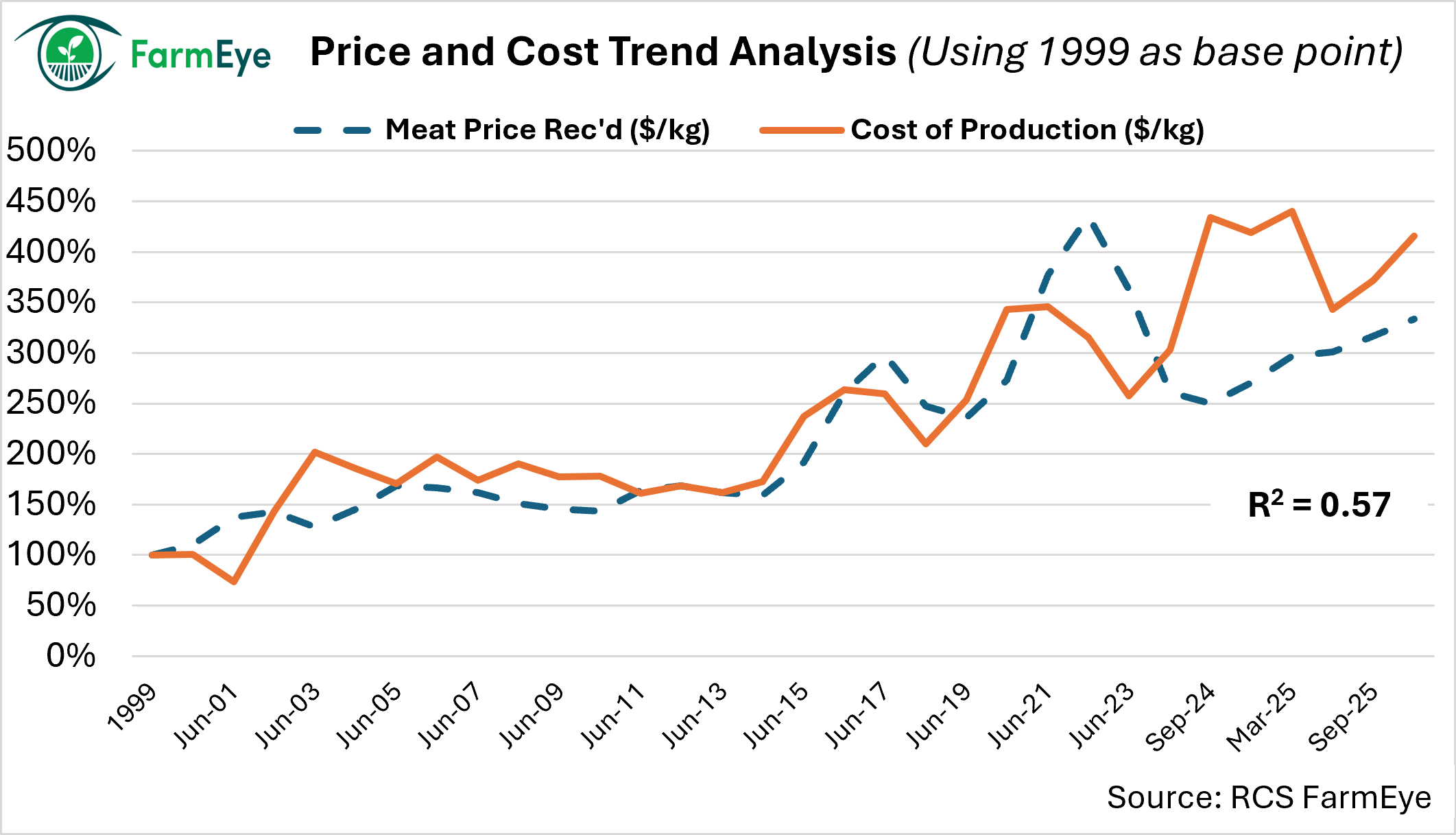
Profit doesn’t happen by accident—it comes from making deliberate decisions and regularly checking whether those decisions are delivering the results you want. In this article, RCS explores why quarterly profit planning meetings should be a priority for every farming and grazing business, and how using Cost of Production, benchmarking and focused business discussions can turn financial information into practical decisions that strengthen profitability and resilience.

Join our mailing list